


Back pain accompanies many chronic and acute spine diseases.This symptom may indicate the development of pathological changes in the skeletal system and damage to other important organs, so it is important to quickly determine the cause and influence the pathogenetic factor.
Types of low back pain
Throbbing lower back pain is a sign of several common diseases:
- osteochondrosis, kyphosis;
- previous cold infections;
- inflammatory processes in bone tissue;
- ovulation in women;
- lumbar pain due to cystitis and other pathologies of the urogenital organs.
Lower back pain can be accompanied by increased body temperature, nausea, dyspeptic disorders and sleep disorders;the psychosomatics of the spine also play a role in this.
Lumbar pain can be of several types:
- pulsating;
- burning;
- pain during ovulation;
- periodic and constant.
Each type has its own characteristics and reasons.
Reasons
Constant severe pain in the lower back can be the cause of a herniated or protruding disc, as well as ovulation.In this case, the optimal treatment for pain relief is surgery followed by medication.Burning and constant pain also causes other disorders such as nausea, vomiting, poor health, loss of appetite and sleep.
The period of ovulation is a common cause of pain in women.Low back pain can radiate to the lower limbs and abdomen.The causes of pain during ovulation are some characteristics of the female body.In the middle of the menstrual cycle, the follicle ripens, which looks like a bubble with fluid.When this bladder ruptures during ovulation, small blood vessels are damaged, causing bleeding and back pain.This indicates the normal course of the physiological process during ovulation.
In addition, during ovulation, a woman may experience nausea and increased body temperature, which depends on the individual characteristics of the body and the state of health.
To reduce lower back pain during this period, women should be at rest and remove all irritants.It is not necessary to take medication during ovulation, but if the lower back pain is unbearable, a consultation with a specialist will help determine what medication can be taken.
The next reason is pain caused by cystitis.Urethritis with urethritis causes discomfort in the pelvic organs and back.Symptoms such as high fever, frequent and painful urination, which indicate cystitis, should be treated with medication.For this purpose, anti-inflammatory drugs, diuretics and antispasmodics are prescribed.After the comprehensive treatment and elimination of the disease of the urogenital organs, the painful sensations disappear.
Pain relief
The constant burning pain, when the body temperature is normal, does not involve pathological changes in the spine, can be eliminated with gymnastics and traditional treatment methods.
- Daily walking or jogging at a slow pace.
- Drink plenty of water and reduce salt in your diet.
- Exercises to strengthen the back muscles.
All the listed techniques are designed for a group of people who feel pain symptoms once and have no previous complaints about the health of the spine.It should not be forgotten that pain accompanied by nausea and high temperature indicates the beginning of the development of the inflammatory process and should not be self-medicated.
During the period of ovulation, a woman should monitor her feelings and signs.And in order to eliminate unpleasant sensations, it is necessary to determine the localization of the pain, since the psychosomatics of the lower back is very pronounced, and the symptoms reveal much more about the health of the whole body, and not only about the supporting device.The period of ovulation, when the body temperature rises and irritability begins for no reason, does not pose a threat to the body, and therefore does not require special drug treatment.
Psychosomatic aspect
How is the psychosomatics of the spine related to the work of the whole organism?Psychosomatics is an effective tool through which specialists in this field can determine mental disorders and human problems based on diseases.
The psychosomatics of spinal discomfort and pain helps determine how to act on symptoms without a specific cause.Currently, psychosomatics is an important aspect, as people who have been suffering from spine problems for years cannot find the cause and cannot be cured.
Psychotherapists have come to certain conclusions and concluded that the psychosomatics of the spine is responsible for a person's financial dissatisfaction, a sense of insecurity and the extra burden on his shoulders.
Long-term work with such patients is aimed at overcoming their fears and incorrect beliefs.After successful rehabilitation, pain and heaviness are no longer a cause for concern.
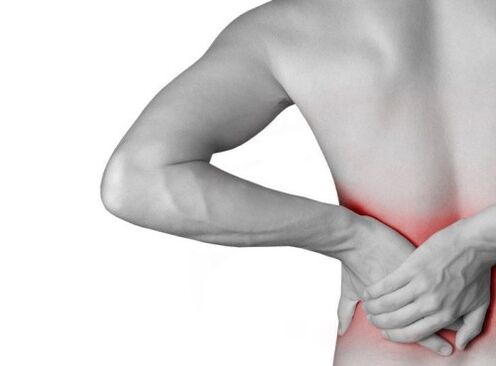
Associated symptoms
Back ailments rarely occur on their own and are often accompanied by fever, insomnia, apathy and fatigue, both physical and emotional.How do we deal with this?
Before starting symptomatic treatment, a full examination should be carried out.This procedure should include X-rays, laboratory tests and an examination by a neurologist.
After establishing the cause of the disease, treatment begins in hospital (in the case of infectious or acute inflammatory changes) or at home.Traction techniques are used - this is necessary to stretch and straighten the spine.In addition, the rotation method is used to restore the normal function of the spine.
Among the drugs, drugs based on natural cartilage tissue are prescribed, which allow the restoration and strengthening of the patient's cartilage and bone tissue during about 2-3 months of treatment.
Intramuscular vitamin solutions and non-narcotic pain relievers are also prescribed as injections.
You must always take care of your spine - even if it is in perfect condition, otherwise chronic diseases that are getting younger every year will constantly make themselves felt in the form of pain and heaviness.Everyone can take preventive measures, and it's easier to see a specialist regularly than to be burdened and make sudden movements all your life.